Tourism in El Tarf
El Tarf is Algeria's easternmost wilaya, 670 km east of Algiers on the Tunisian border. It's an exceptional coastal wilaya, hosting El Kala National Park — recognized UNESCO Biosphere Reserve in 1990 — one of the richest Mediterranean ecosystems with its lakes (Tonga, Oubeira, Mellah, El Hout), cork-oak forests, Ramsar wetlands and protected fauna (Barbary stag, otter, migratory birds by hundreds of thousands). The coast offers preserved beaches (Cap Rosa, Souk Beach), wild coves, and exceptional marine biodiversity. For nature and ecotourism lovers, El Tarf is one of Algeria's most impressive destinations.
Must-see places
- 📍El Kala National Park UNESCO — Biosphere reserve, 4 lakes (Tonga, Oubeira, Mellah, El Hout), cork-oak forests, protected fauna
- 📍Lake Tonga — Algeria's largest freshwater lake, migratory birds (hundreds of thousands in winter), Ramsar site
- 📍Lake Oubeira — Freshwater lake with exceptional bird fauna, bird observation possible
- 📍Cap Rosa — Spectacular headland with lighthouse, panoramic Mediterranean views
- 📍El Tarf Beaches — Preserved beaches (Souk Beach, Messida Beach, Cap Rosa), wild coves
- 📍Cork-Oak Forests — Algeria's largest cork-oak forests, hiking trails
- 📍Historic El Kala Mosque — Coastal architecture, community prayer site
- 📍Oum Theboul Tunisian Border — Border post passage to Tunisia
History & culture
The El Tarf region has been inhabited since prehistory. Under the Romans, it was a prosperous agricultural and hunting zone. In the Middle Ages, El Kala became a commercial stop between Tunis and Bône. Italian coral fishermen (Naples, Marseille) exploited the coast's coral from the 16th century, giving its name to the "Coral Coast." The French entered in 1830 and founded a coral trading post at El Kala. The region slowly developed as an agricultural and seaside zone. El Kala National Park was created in 1983, and recognized UNESCO Biosphere Reserve in 1990 — one of the most important Mediterranean wetlands. At independence, El Tarf became a wilaya in 1984. Today it's a major ecotourist wilaya.
1 stay & experience in El Tarf
View all →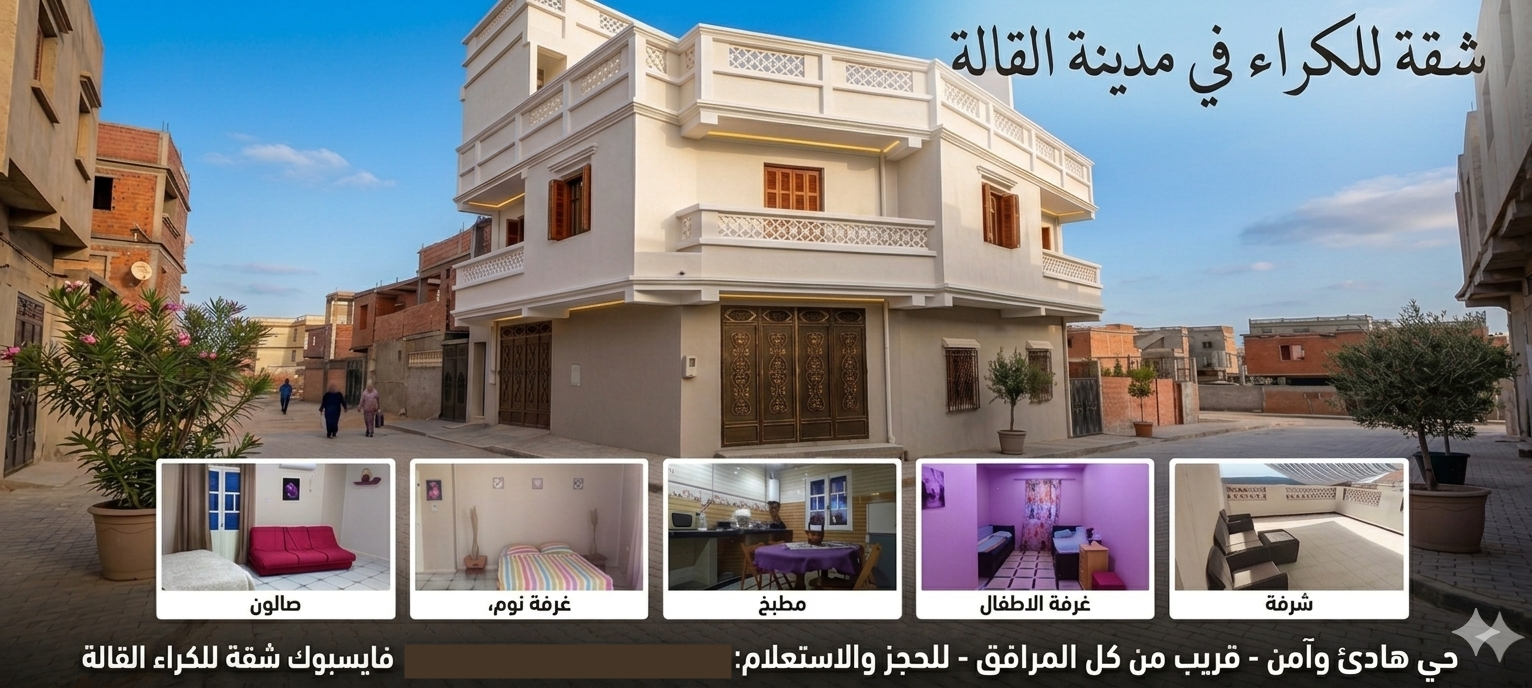
Local cuisine
El Tarf cuisine marries sea (fish, seafood) and forest (game, honey) traditions. Grilled sardines and rock fish (grouper, sea bream, sar) facing the sea are essential. Couscous with fish and seafood (octopus, squid) is a pride. Wild boar or deer tagine, local game, is served in winter. Mellah lake oysters and shellfish (brackish lagoon) are flavorful. Honey and almond pastries abound. Cork-oak forest honey is delicious. Coastal-plain citrus and fresh fruits complete the offering. Tunisian influences: harissa, brik, some spicy dishes.
How to get there
From Algiers, El Tarf is 670 km east. Annaba's Rabah-Bitat airport (45 km, 45 min by taxi) is the most practical air hub. Flight to Annaba (1h from Algiers) then private taxi (45 km, 45 min, ~€20). SNTF runs an Algiers-Annaba rail link (8h) then bus to El Tarf (1h). Long-distance buses depart daily from Caroubier (Algiers), 9-10h. The road from Algiers via East-West motorway then RN44 takes 7-8h by car. Locally, taxis and buses serve the city. For the national park, lakes and beaches, car rental essential.
When to visit El Tarf?
El Tarf has a humid Mediterranean climate, one of Algeria's wettest. Summers (June-September) hot (25-32°C) tempered by sea breeze, sea at 24-26°C, perfect swimming. Winters (December-February) mild but very wet (10-15°C, 800-1,200 mm/year — one of the country's wettest wilayas). Spring and autumn are best seasons: pleasant temperatures (16-25°C), exuberant nature, accessible beaches. April-June and September-October offer ideal conditions for migratory bird observation and coast enjoyment.
Frequently asked questions
What makes El Tarf exceptional?▾
What's the best time?▾
What must you see?▾
How to get to El Tarf?▾
Are there hotels?▾
Plan your stay in El Tarf
Are you a host in El Tarf?
List your property for free and reach thousands of travelers. No commission, no subscription. You keep 100% of the listed price.
Create my listing →