
Tourism in Béjaïa
Béjaïa, perched on the Mediterranean shores, is a spectacular coastal destination where the Djurdjura mountains plunge into turquoise seas. The city combines Mediterranean charm with Kabyle mountain heritage. Gouraya National Park protects exceptional marine and forest ecosystems. Cap Carbon, an imposing cliff majestically extending into the sea, offers postcard-worthy landscapes. Béjaïa is an ideal crossroads for hikers, beach lovers, and history enthusiasts, blending Genoese archaeology, pristine beaches, and authentic Berber villages.
Must-see places
- 📍Cap Carbon — Spectacular cliff extending into the sea, offering vertiginous views and panoramic coastal trails
- 📍Gouraya National Park — Protected nature reserve preserving Mediterranean forests, cliffs, and marine ecosystems
- 📍Pic des Singes (Tamentout) — Mountain summit accessible by hiking, with breathtaking viewpoints
- 📍Old Medina — Historic quarter with narrow alleyways, traditional souks, and Ottoman architecture
- 📍Genoese Ruins — Vestiges of 16th-century Genoese fortress overlooking the port
- 📍Béjaïa Beaches — Turquoise coastlines with safe swimming and water sports
- 📍Archaeological Museum — Numidian, Roman, and Byzantine collections spanning 2500 years of coastal history
History & culture
Béjaïa, ancient Saldae, prospers under Romans as a fluvial port. It becomes important under Numidian, then Byzantine rule. In the Middle Ages, Béjaïa is a major intellectual and commercial center, frequented by Arab, Jewish, and Genoese merchants. Genoese build a fortress (15th-16th centuries) whose ruins remain. The city becomes a haven for Barbary corsairs before French conquest in 1833. During colonization, Béjaïa transforms into a modern port. It plays a significant role in the Algerian independence war. Today, the city reconciles its multi-centuries maritime past with sustainable tourism future.
1 stay & experience in Béjaïa
View all →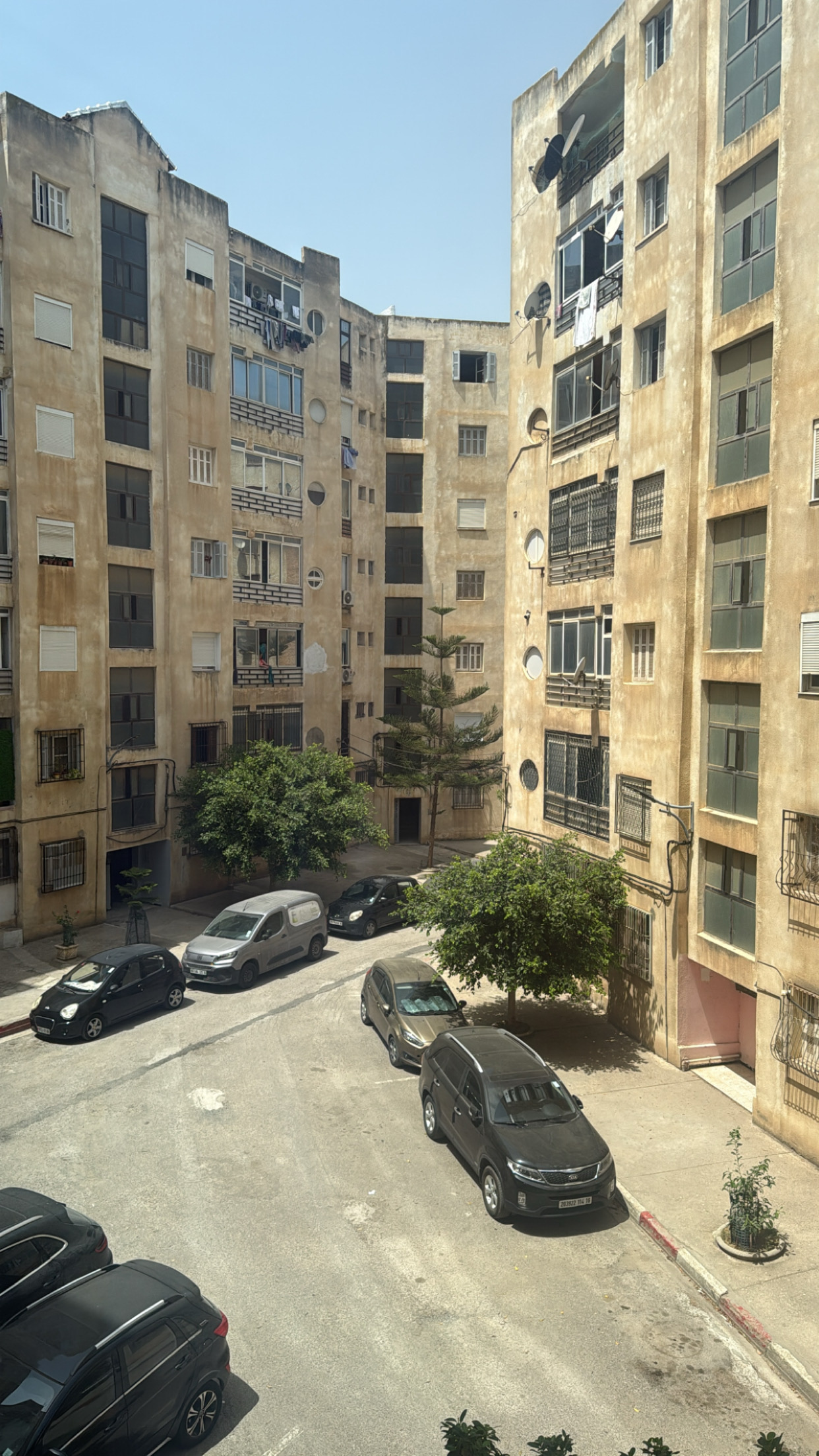
Local cuisine
The sea generously nourishes the Béjaouian table. Grilled fish, prepared simply with lemon and olive oil, reveals product freshness. Octopus, in tajine or grilled, embodies Mediterranean flavor. Sea couscous blends seafood and fine semolina. Stuffed mussels (moules à la sauce tomate) are a local classic. Djurdjura honey, harvested at altitude, brings complexity to pastries. Fresh fruits (figs, pomegranates) complete this Mediterranean palette celebrating sea and mountain.
How to get there
Béjaïa is approximately 3 hours by car from Algiers via the scenic coastal road. An aerial alternative (flight ~30 minutes) enables rapid access. The road winds along the coast, offering spectacular views. Locally, the city is explored on foot for the medina, while mountain hikes and coastal excursions require a car or local guide.
When to visit Béjaïa?
Béjaïa benefits from a Mediterranean mountain climate. Winter (December-February) is mild (10-15°C) with precipitation. Summer (June-September) is warm (25-30°C) with sea breezes tempering heat. Spring and autumn offer ideal balance. The best period spans May-June and September-October, when sea and mountain are at their best.
Frequently asked questions
Can you swim safely at Béjaïa?▾
How long is the Pic des Singes hiking trail?▾
Can Béjaïa be done as a day trip from Algiers?▾
What are the best seafood restaurants?▾
Plan your stay in Béjaïa
Are you a host in Béjaïa?
List your property for free and reach thousands of travelers. No commission, no subscription. You keep 100% of the listed price.
Create my listing →