Tourism in Algiers
Algiers, the capital of Algeria, is a captivating Mediterranean city of striking contrasts. Dominated by its UNESCO Casbah perched on the hillside, it cascades down to the turquoise waters of the bay. Both modern and historical, Algiers blends Ottoman and French heritage with contemporary energy. Its winding medina streets, colorful facades, Belle Époque architecture and world-class museums make Algeria's capital an unmissable destination for experiencing Mediterranean soul.
Must-see places
- 📍Casbah of Algiers — UNESCO medina from 16th-17th centuries with traditional palaces and labyrinthine streets
- 📍Notre-Dame d'Afrique — white basilica dominating the bay since 1872, emblematic symbol
- 📍Martyrs Memorial — monumental historic monument commemorating independence fighters
- 📍National Bardo Museum — archaeological and ethnographic collection among North Africa's richest
- 📍Palace of the Bey (Dar Kebira) — 17th-century Ottoman residence, architectural masterpiece
- 📍Hamma Botanical Gardens — historic park with panoramic views over the bay
- 📍Bay of Algiers — maritime landscape intact since antiquity, ideal for relaxation and walks
History & culture
Founded in the 4th century BC as Icosium by the Phoenicians, Algiers flourished as a major Roman trading port. Arab conquest in the 7th century transformed the city, which became the Ottoman capital in the 16th century. Under Ottoman rule (1516-1830), Algiers emerged as a major Mediterranean power and regional administrative center. French colonization (1830-1962) reorganized the city and created European quarters. The Casbah, inscribed in UNESCO heritage, embodies this architectural palimpsest. Independence in 1962 marked the renewal of Algeria's capital, which modernized while preserving its historical roots.
10 stays & experiences in Algiers
View all →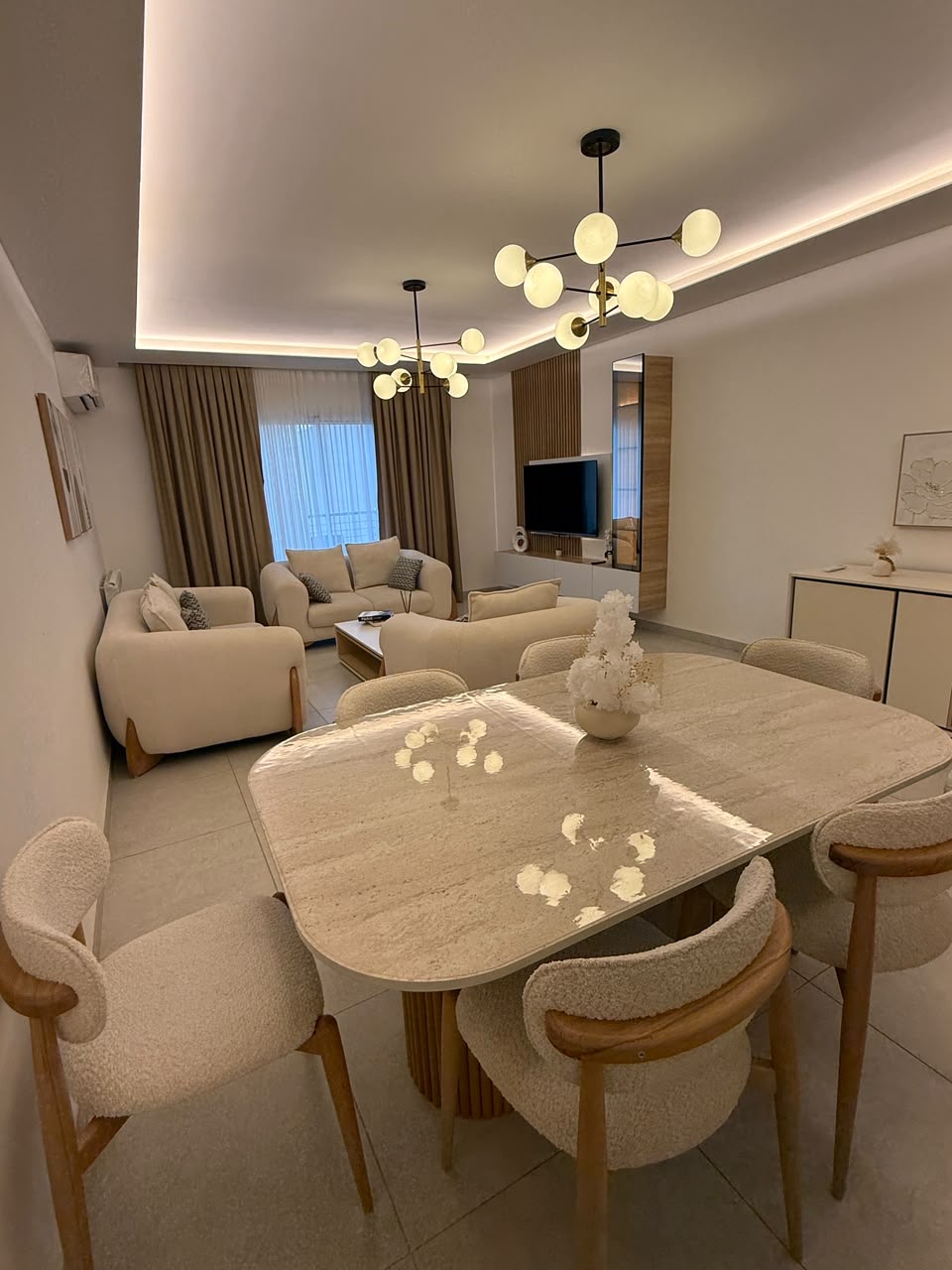
**Stunning 4-Bedroom Apartment in a Residence**
📍 Alger · Alger
18 000 DZD/ nuit
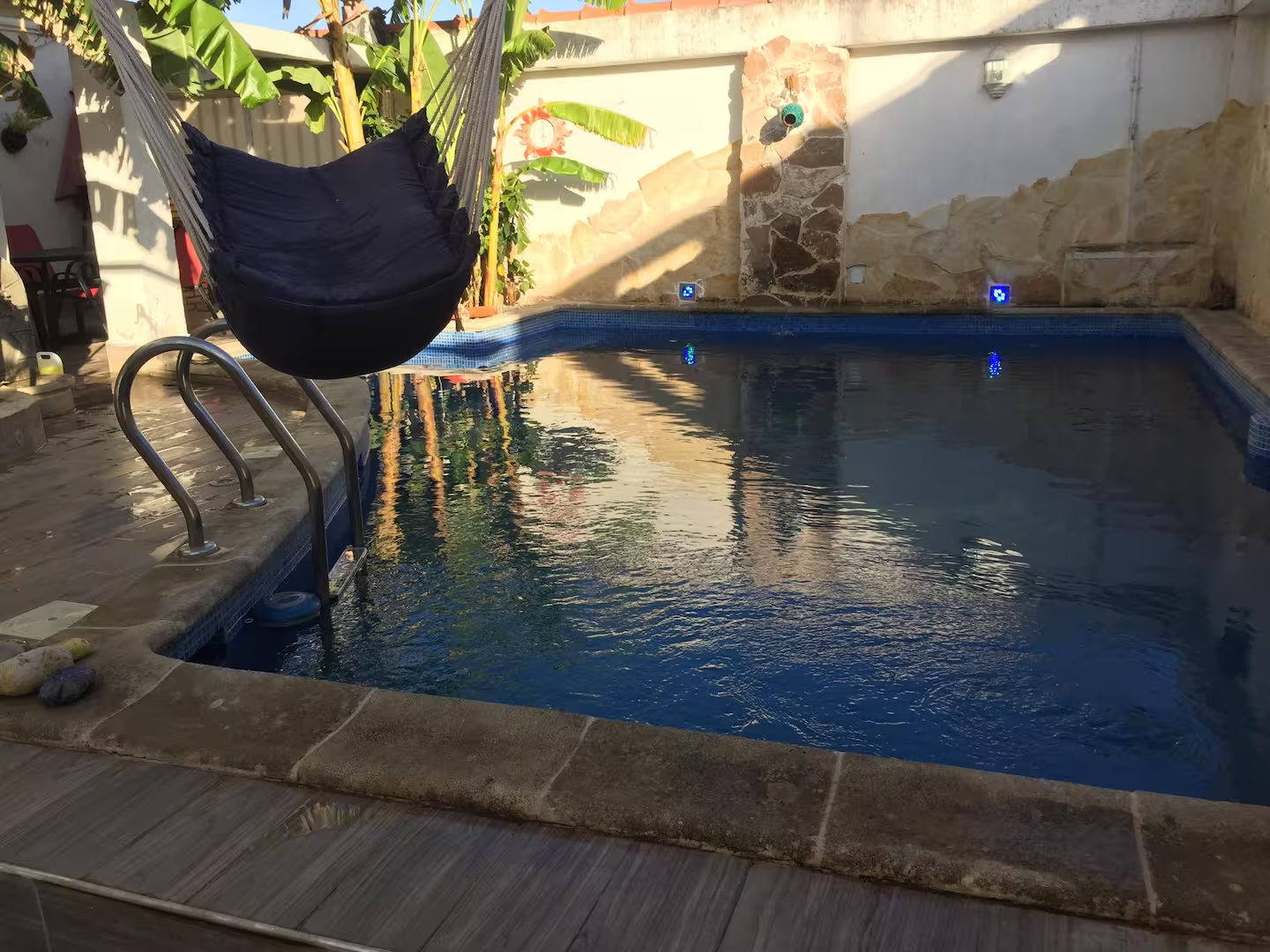
**Duplex vacation rental with private pool**
📍 khraissia, Khraïssia · Alger
30 000 DZD/ nuit
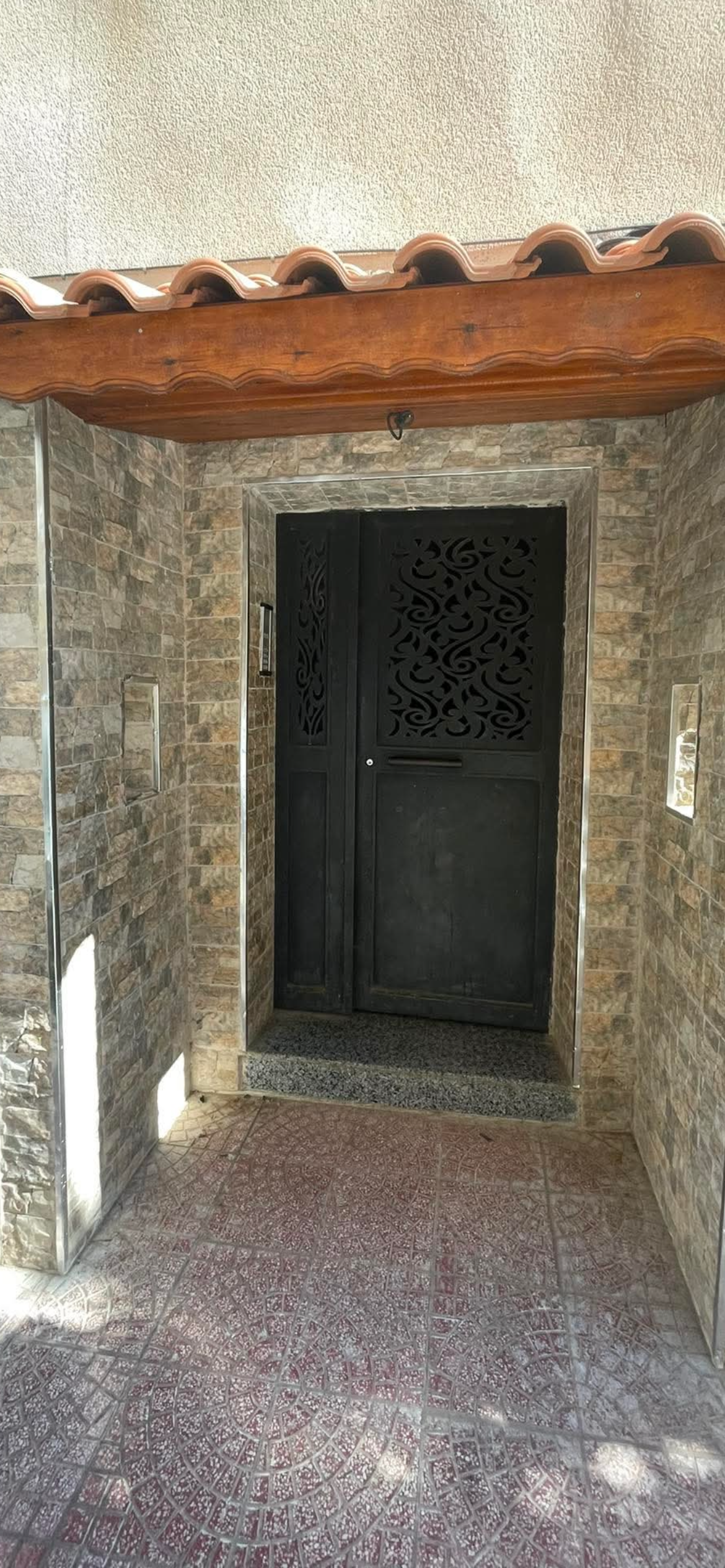
Vacation apartment rentals by the night
📍 Bordj elbahri à côté la clinique khantouch, Bordj El Bahri · Alger
8 000 DZD/ nuit
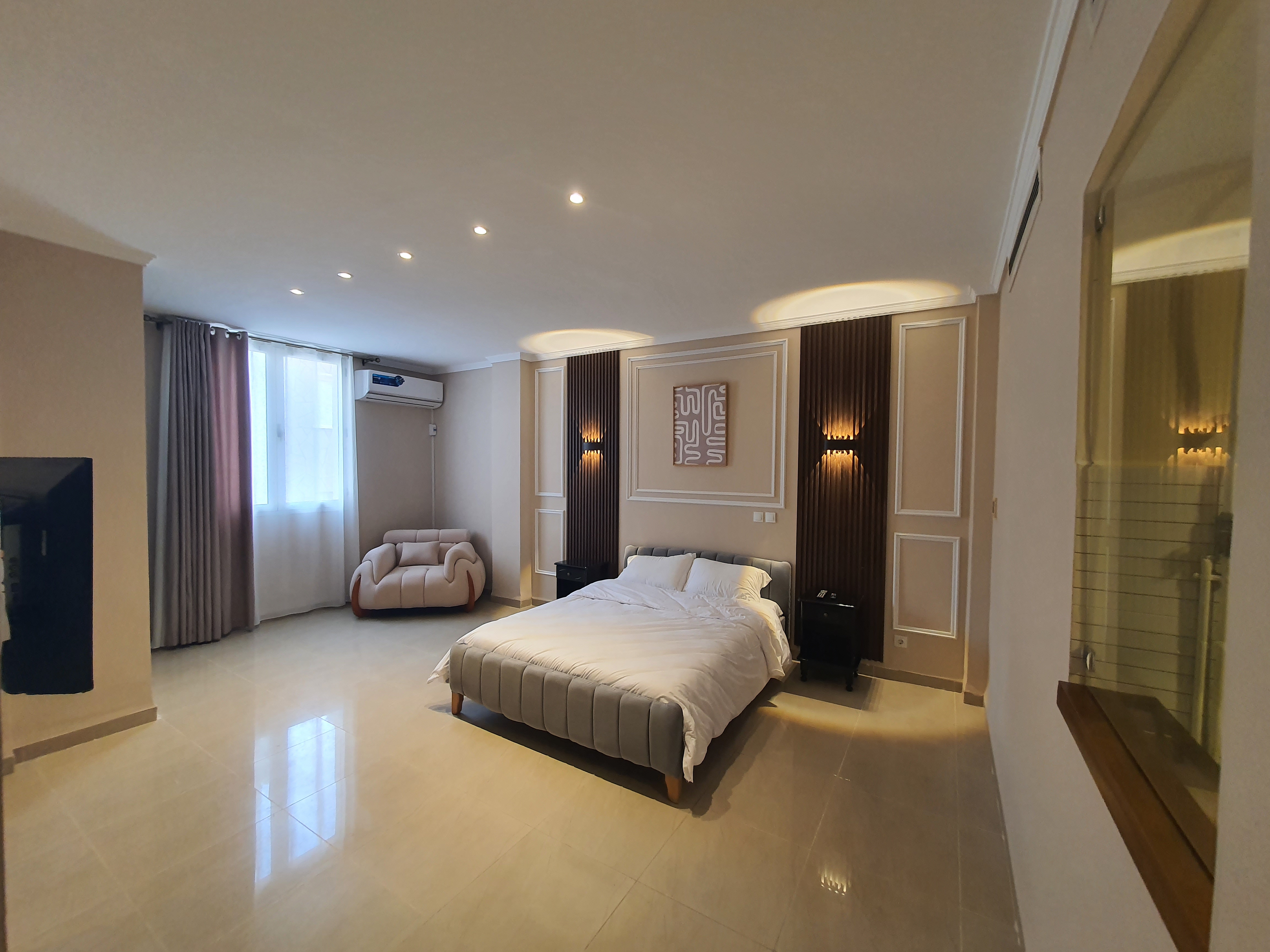
Luxury suite at Val d'Hydra Appart Hotel
📍 Val d'hydra, Hydra · Alger
25 000 DZD/ nuit
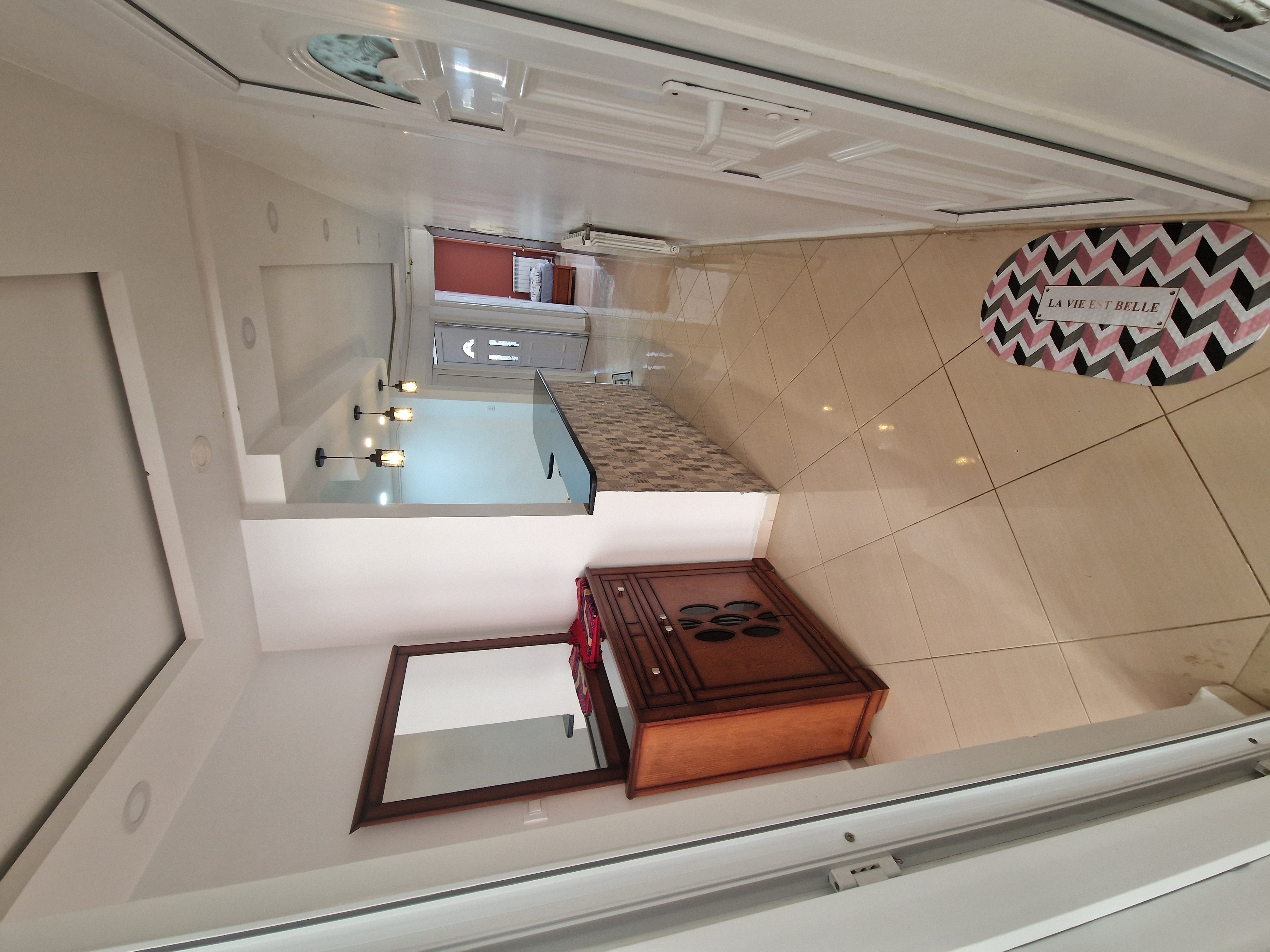
Modern F4 apartment in Algiers Bordj El Bahri – short term rental
📍 Café Chergui, Bordj El Bahri · Alger
10 000 DZD/ nuit
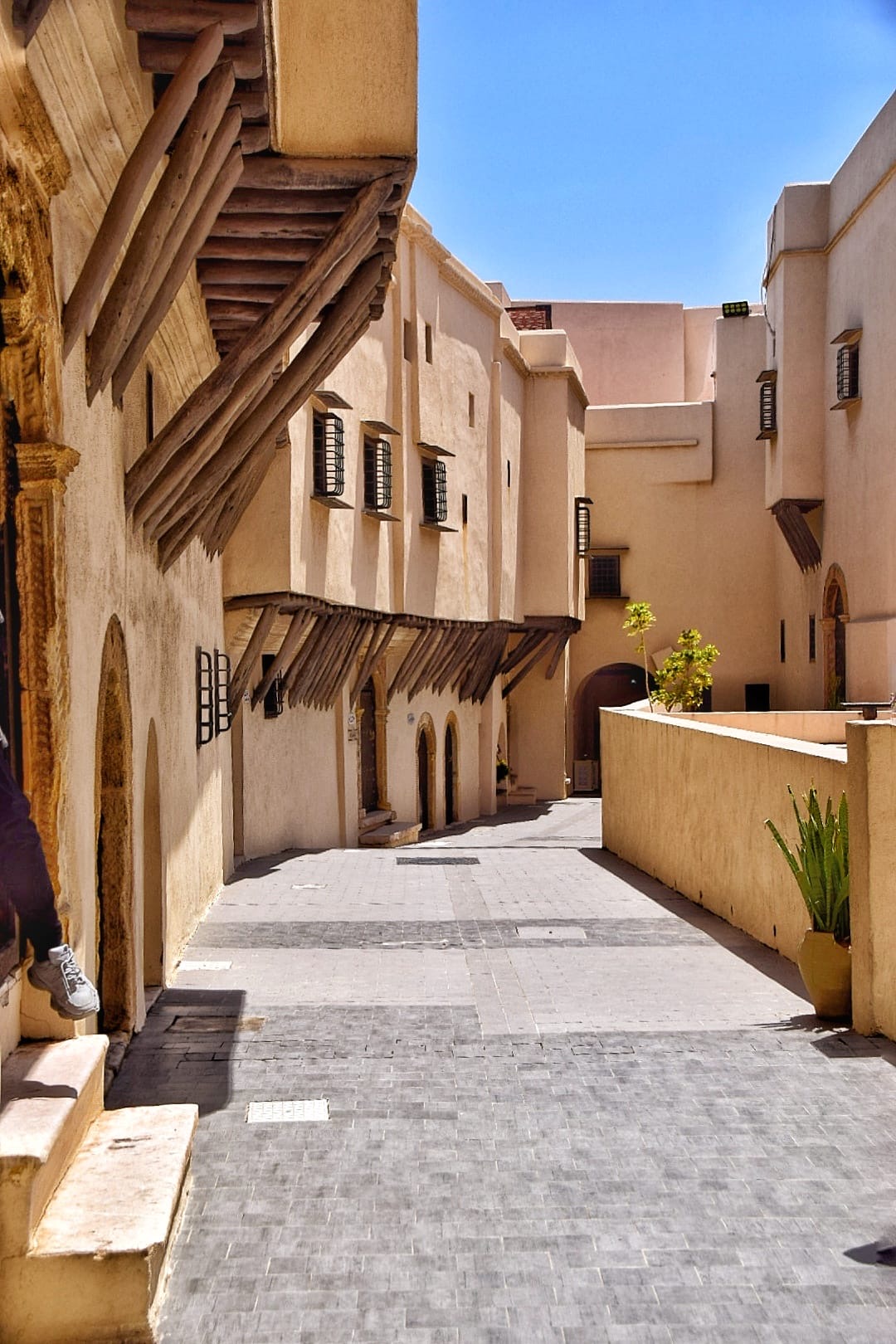
Visit Casbah Algiers
📍 Casbah, Casbah · Alger
2 000 DZD
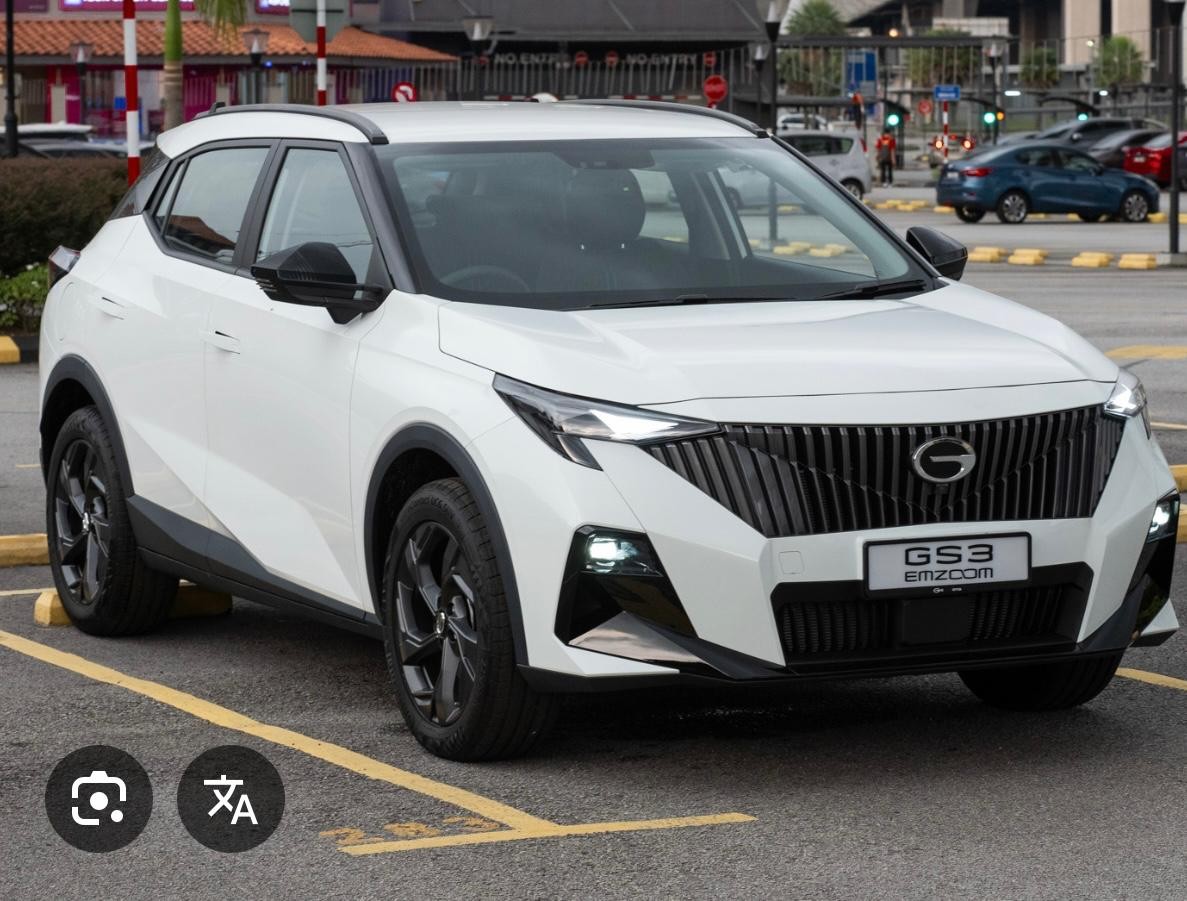
GAC GS3 — SUV 2026
📍 Alger · Alger
9 700 DZD/ jour
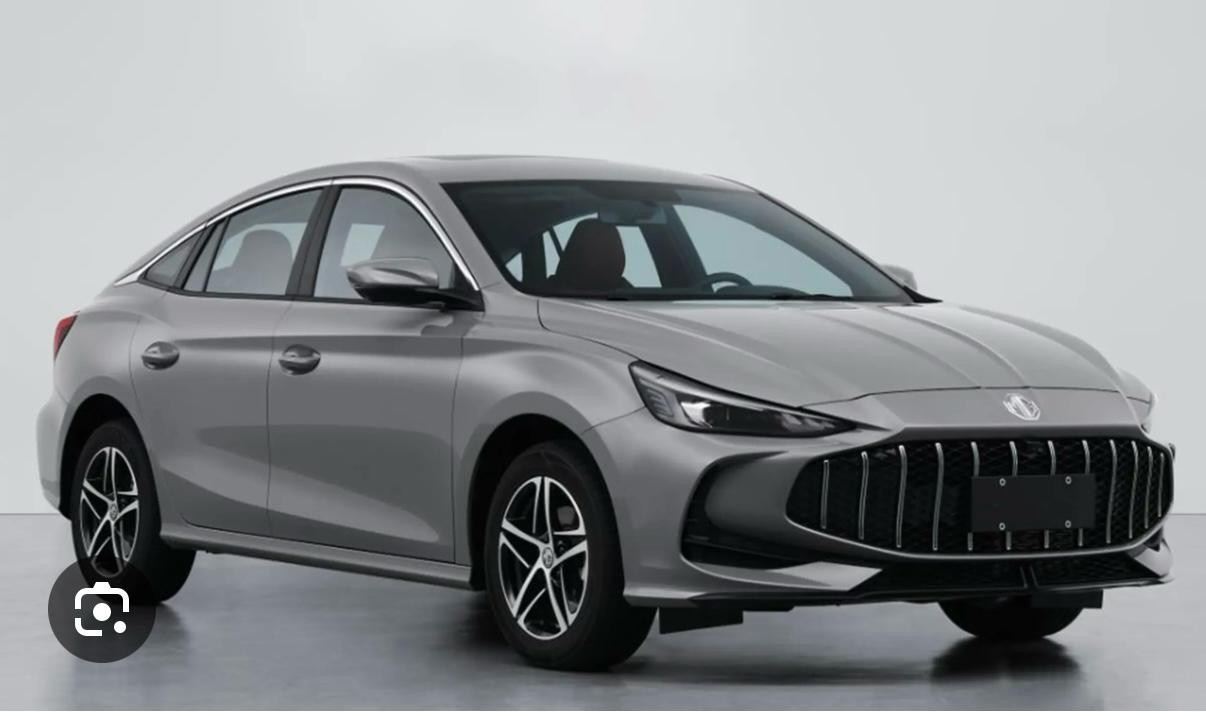
MG 5 — 2026
📍 Alger · Alger
9 700 DZD/ jour
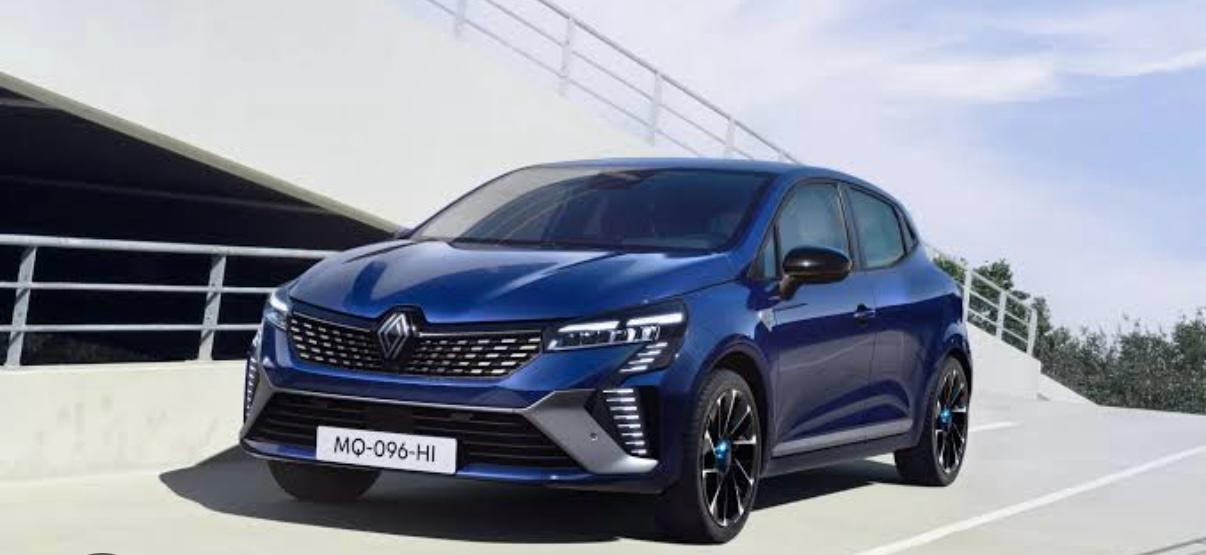
Renault Clio 5 — 2024
📍 Alger · Alger
8 300 DZD/ jour
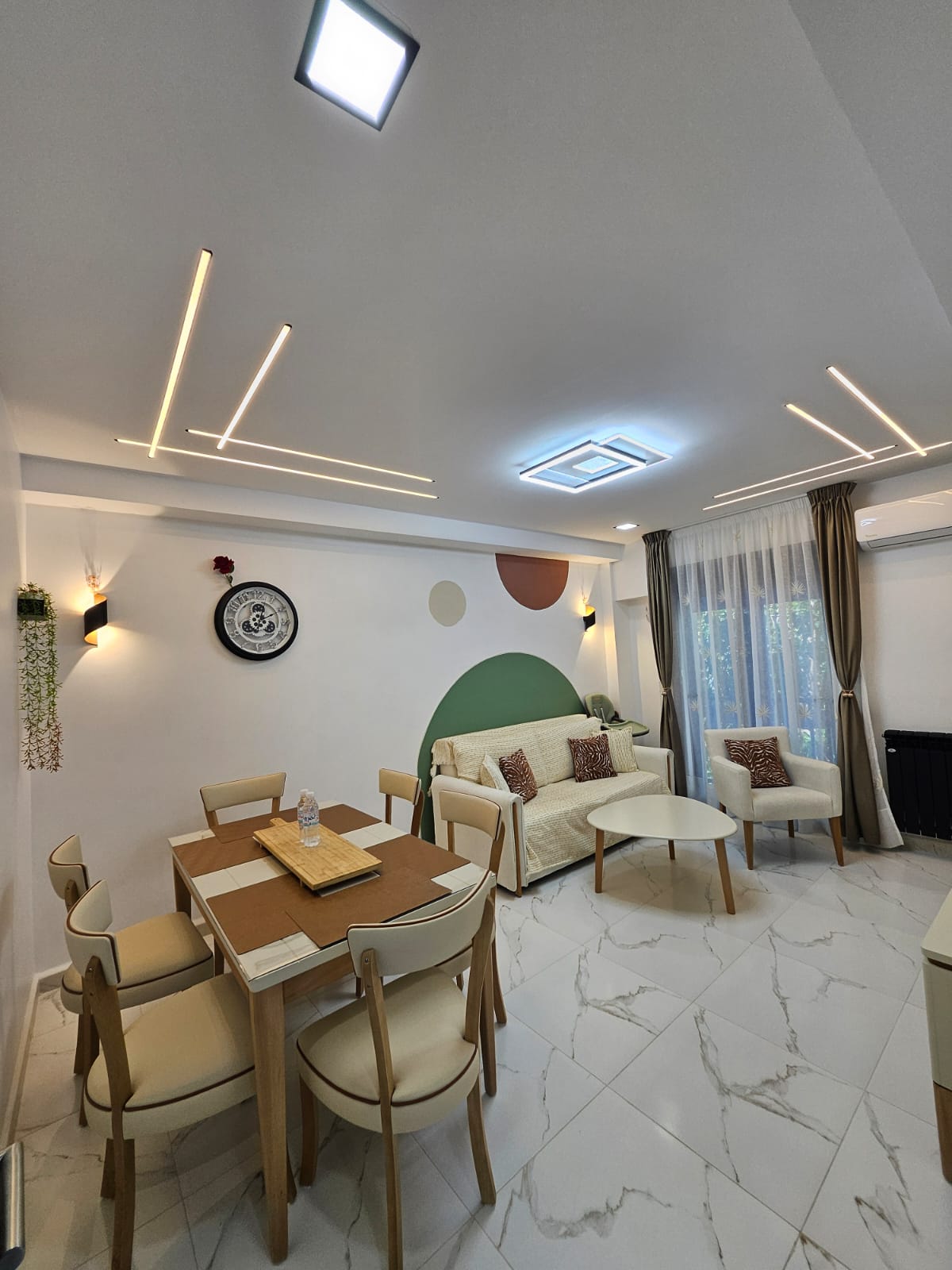
Renovated Apartment T3 in a peaceful setting
📍 Oued tarfa Draria, Draria · Alger
8 000 DZD/ nuit
Local cuisine
Algerian cuisine in Algiers reflects Mediterranean, Ottoman and Maghrebi influences. Algerian couscous, served with vegetables and meat, remains the national dish. Chorba frik, a rich soup of sprouted wheat grains, is enjoyed especially during Ramadan. Briq à l'œuf, crispy triangles filled with egg, are an unavoidable appetizer. Makroudh, dry pastry with sesame and dates, accompanies traditional coffee. Harira, thick soup, and stuffed pasta round out this generous gastronomy emphasizing perfumed spices and hospitality.
How to get there
Houari Boumediene International Airport, located 16 km south of Algiers, welcomes direct flights from Europe, Africa and the Middle East. From Paris, flight time is approximately 2h30. Daily connections from Lyon, Marseille, Brussels and various European cities ensure good connectivity. Upon arrival, airport shuttles, taxis and car rentals are available to reach downtown (30-40 min). Algiers port also offers maritime links with France and Spain.
When to visit Algiers?
Algiers enjoys mild Mediterranean climate year-round. Winter (December-February) sees temperatures between 10-15°C with occasional rain. Summer (June-August) is warm and dry, averaging 25-30°C, with some days exceeding 35°C. Autumn and spring offer ideal conditions: 18-24°C. The best visiting period is October-May, when climate is pleasant and coastal rainfall is moderate. June-September remains viable but hotter.
Frequently asked questions
What is the best time to visit Algiers?▾
How to explore the Casbah safely?▾
Are there museums besides the Bardo?▾
What currency to use and where to withdraw money?▾
Plan your stay in Algiers
Are you a host in Algiers?
List your property for free and reach thousands of travelers. No commission, no subscription. You keep 100% of the listed price.
Create my listing →